
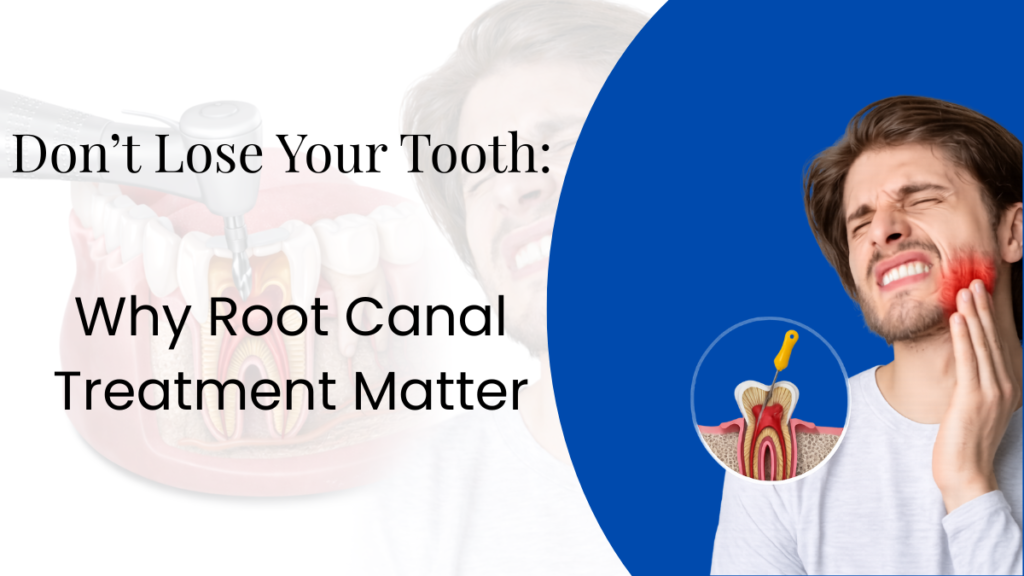
Tooth pain is not something to ignore. What may start as mild sensitivity can quickly turn into severe discomfort, swelling, or infection. Many people delay dental care due to fear or misinformation, which often leads to bigger problems. One of the most effective ways to stop tooth infection and protect your natural smile is root canal treatment.
Modern dentistry has made this procedure safe, comfortable, and highly successful. Instead of removing the tooth, this treatment focuses on saving it while eliminating pain and infection.
What Causes the Need for a Root Canal?
Inside every tooth is a soft tissue called pulp, which contains nerves and blood vessels. When this pulp becomes infected or damaged, it can cause intense pain and swelling. Common reasons include:
- Deep tooth decay
- Cracked or broken teeth
- Repeated dental procedures on the same tooth
- Trauma or injury to the tooth
How Root Canal Treatment Saves Your Tooth
The main goal of root canal treatment is to remove the infected pulp while preserving the natural structure of your tooth. During the procedure, the dentist carefully cleans the inside of the tooth, disinfects it, and seals it to prevent future infection.
By saving the natural tooth, this treatment helps you:
- Maintain proper chewing and biting function
- Prevent shifting of nearby teeth
- Preserve jawbone strength
- Keep your natural smile intact
Extracting a tooth can lead to long-term complications, while saving it helps maintain overall oral balance.
Is Root Canal Treatment Painful?
One of the biggest myths surrounding this procedure is that it is painful. In reality, modern techniques and local anesthesia make the procedure comfortable and nearly painless. Most patients feel relief from pain after the infected tissue is removed.
Post-treatment discomfort is usually mild and temporary. With proper care and medication, patients can return to normal activities quickly after root canal treatment.
Signs You May Need a Root Canal
Early diagnosis can prevent severe complications. You may need treatment if you experience:
- Persistent toothache
- Sensitivity to hot or cold that lasts long
- Swollen or tender gums
- Darkening of the tooth
- Pain while chewing
Ignoring these symptoms can lead to abscess formation and bone damage. Seeking timely dental care can save both your tooth and your smile.
Benefits of Choosing Root Canal Treatment
This procedure offers several long-term benefits:
- Eliminates infection completely
- Relieves severe tooth pain
- Restores normal tooth function
- Prevents the spread of bacteria
- Saves your natural tooth structure
With proper oral hygiene and regular dental checkups, a treated tooth can last a lifetime. Root canal treatment is considered one of the most reliable procedures in restorative dentistry.
Aftercare Tips for Long-Term Success
After the procedure, following good oral care habits is essential. Brush twice daily, floss regularly, and avoid chewing hard foods on the treated tooth until fully restored. Regular dental visits help ensure the tooth remains healthy.
In most cases, a dental crown is recommended to protect the treated tooth and restore its strength. This final step completes the process and ensures long-term success.
Final Thoughts
Dental pain should never be ignored, especially when it signals infection. Acting early can prevent tooth loss and more complex treatments. Root canal treatment is not something to fear; it is a tooth-saving solution designed to protect your oral health and restore comfort.